Current location: |
|
TOP
Understanding Membrane Switches: PCB, PET, FPC, and Capacitive Types
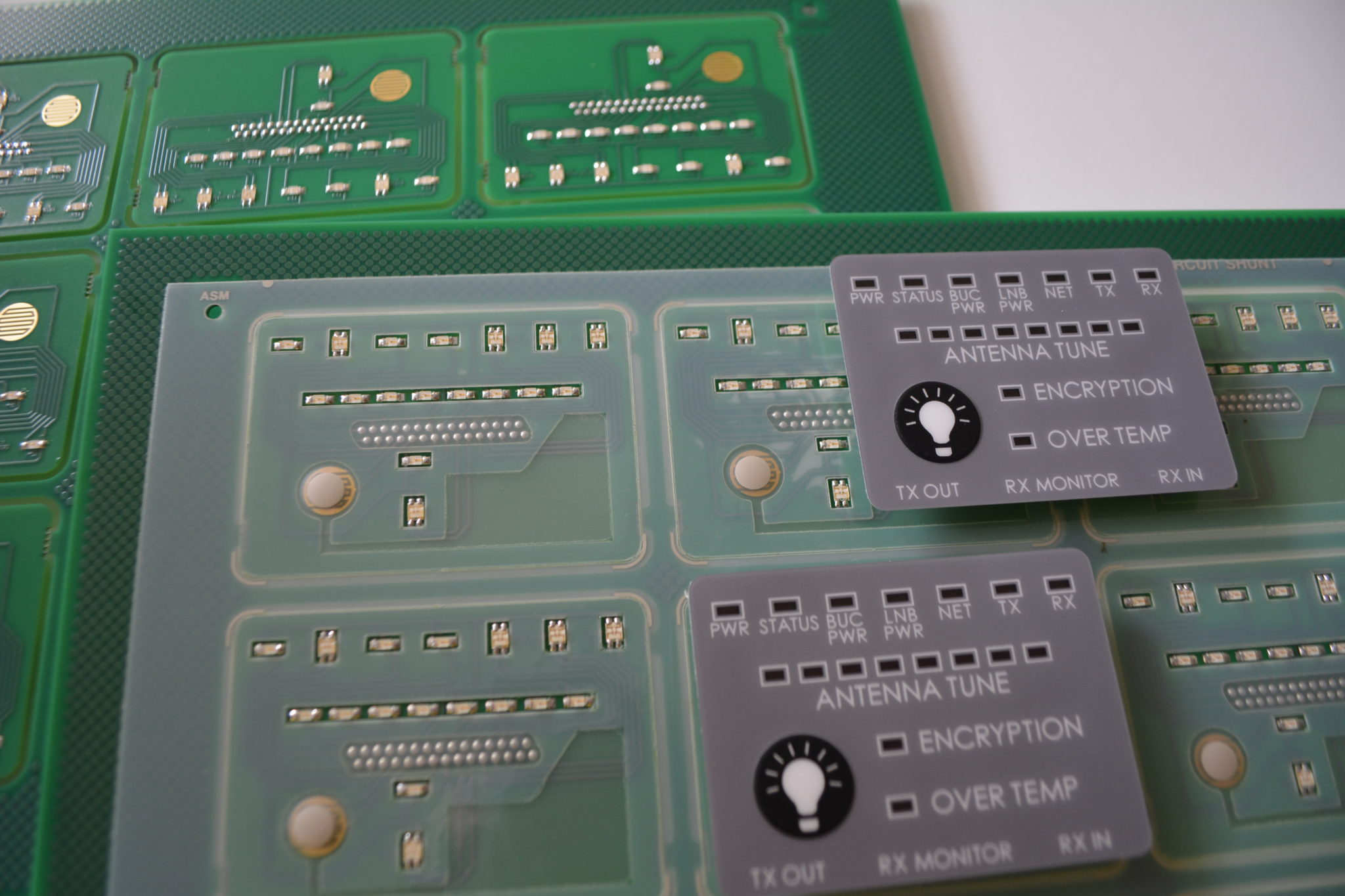
In today's technology-driven world, membrane switches play a crucial role in user interfaces across various devices. As a company dedicated to providing high-quality solutions, we aim to clarify the different types of membrane switches: PCB, PET, FPC, and capacitive. This article will help you understand these technologies and guide you in selecting the right type for your specific application. What is a PCB Membrane Switch?DefinitionA PCB (Printed Circuit Board) membrane switch is a type of user interface that combines a flexible membrane with a rigid circuit board. This design allows for reliable electrical connections while maintaining a compact form factor.
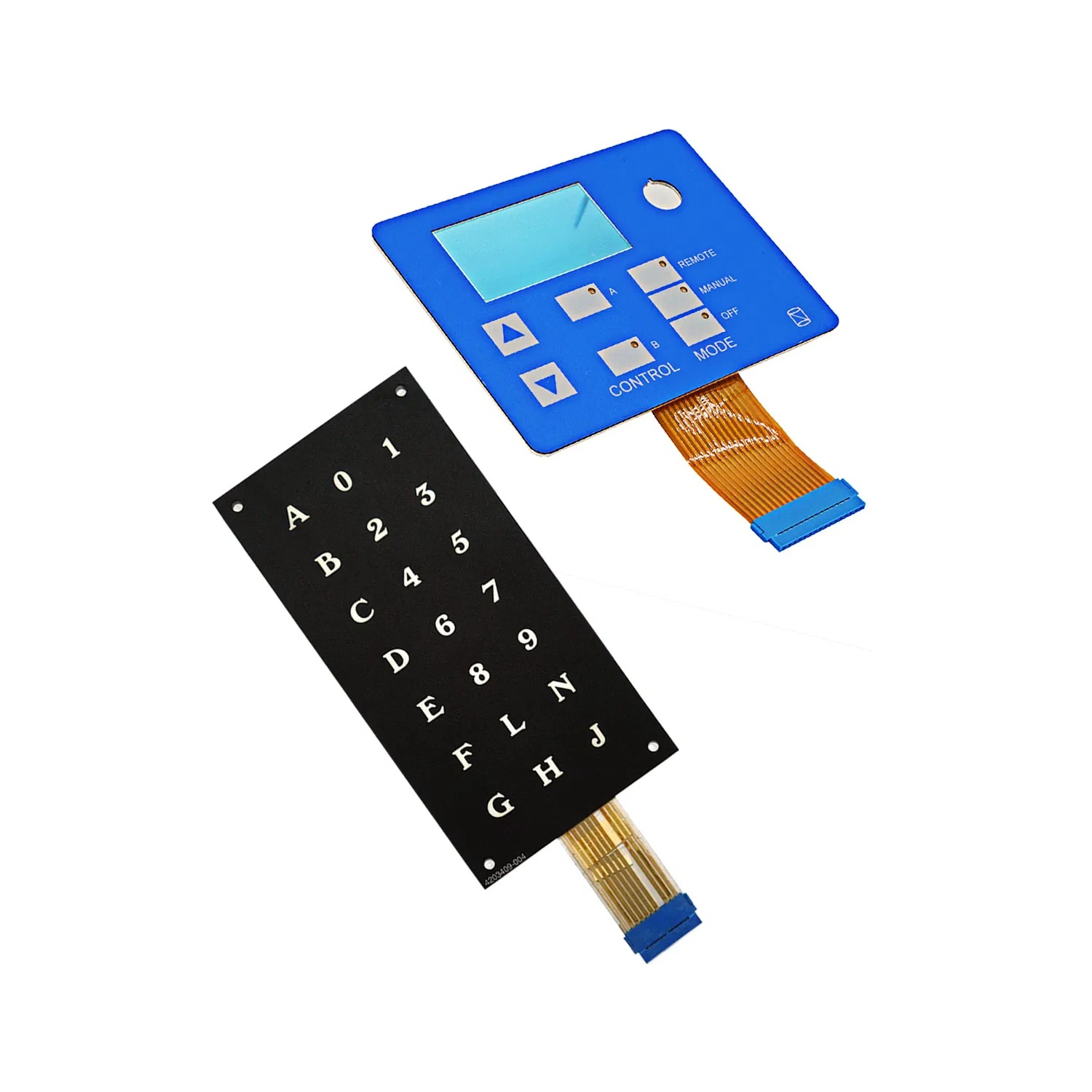
ConstructionPCB membrane switches typically consist of several layers: · Top Layer: A graphic overlay that provides visual cues and branding. · Spacer Layer: Separates the top and bottom layers, ensuring the circuit completes only when pressed. · Circuit Layer: Made from copper foil on an FR4 substrate, containing conductive traces to complete the circuit when activated. ApplicationsPCB membrane switches are ideal for applications requiring durability and reliability, such as: · Medical devices · Industrial equipment · Consumer electronics Their robust construction makes them perfect for environments where wear and tear are significant concerns. What is a PET Membrane Switch?DefinitionA PET (Polyethylene Terephthalate) membrane switch is a flexible switch that uses PET film as its primary material. It is known for being lightweight and cost-effective.
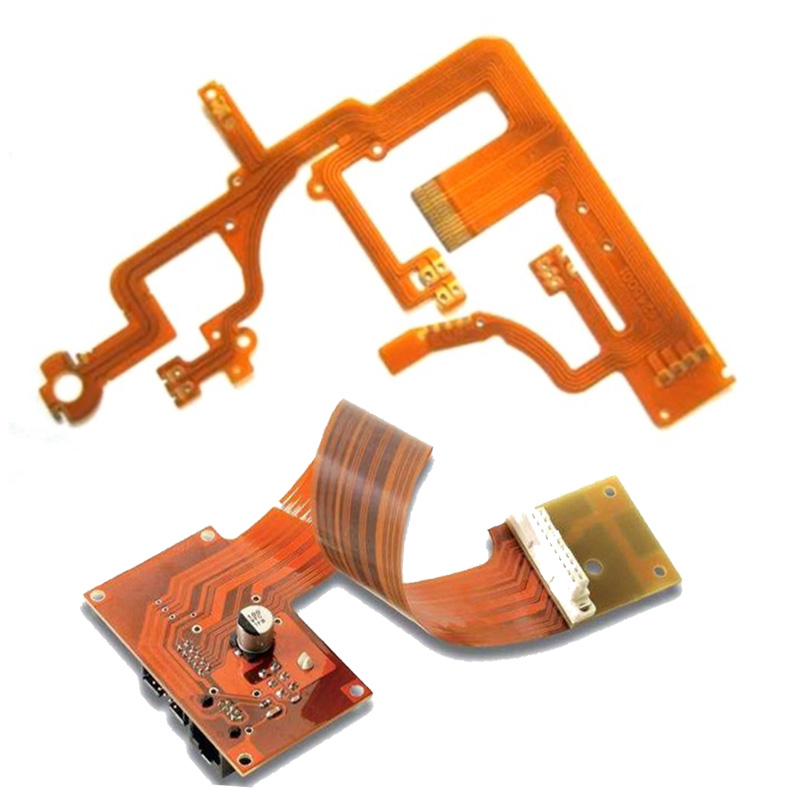
CharacteristicsKey features of PET membrane switches include: · Flexibility: Easily shaped to fit various designs. · Cost-effectiveness: Affordable, making them suitable for high-volume production. · Transparency: Can be made transparent for backlighting options. ApplicationsPET membrane switches are often used in consumer products like: · Home appliances · Automotive controls · Portable electronics Their affordability and versatility make them a popular choice for manufacturers balancing quality and cost. What is an FPC Membrane Switch?DefinitionAn FPC (Flexible Printed Circuit) membrane switch utilizes flexible printed circuits as its base, allowing for intricate layouts that traditional rigid boards cannot accommodate.
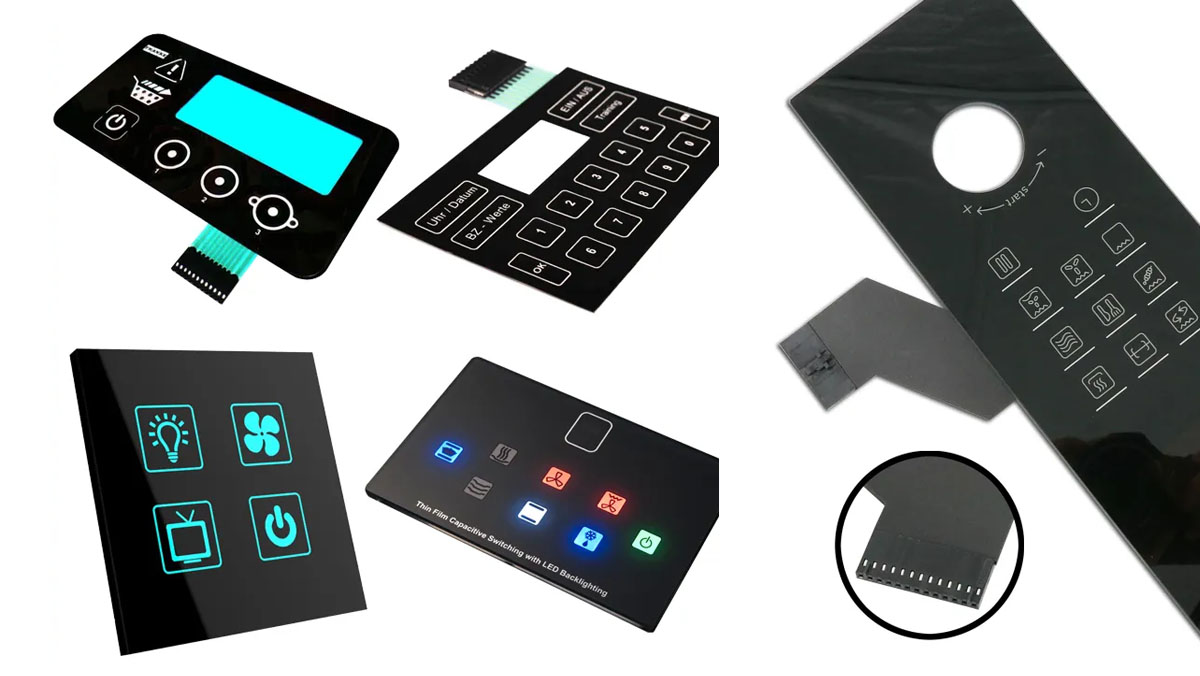
ConstructionFPC switches are composed of: · Flexible Circuit Layer: Conductive traces printed on a flexible substrate. · Overlay Layer: Provides the graphic interface. · Adhesive Layer: Ensures strong adhesion while maintaining flexibility. AdvantagesFPC membrane switches offer: · Low Resistance: Minimal circuit resistance enhances performance. · Complex Designs: Perfect for intricate circuitry in tight spaces. ApplicationsThese switches are widely used in: · Wearable technology · Smartphones and tablets · Advanced medical devices Their flexibility and design capabilities make them suitable for cutting-edge applications requiring space-saving and lightweight solutions. What are Capacitive Membrane Switches?DefinitionCapacitive membrane switches operate based on capacitive sensing technology, detecting touch through changes in capacitance when a finger approaches or touches the surface.
TechnologyThe key technological aspects include: · Sensing Layers: Detect changes in capacitance caused by a conductive object like a finger. · Microcontroller Integration: Ensures accurate processing of touch inputs. ApplicationsCapacitive switches are widely used in: · Smartphones and tablets · Touchscreen interfaces in appliances · Interactive kiosks Their sleek design and seamless user experience make them increasingly popular in modern consumer electronics. ConclusionUnderstanding the different types of membrane switches—PCB, PET, FPC, and capacitive—can significantly enhance your product design and functionality. Each type offers unique advantages tailored to specific applications. By considering factors like durability, cost, flexibility, and sensing technology, you can make informed decisions that boost your product's performance and user experience. At our company, we are committed to providing high-quality solutions to meet your specific needs. If you have questions or need assistance in selecting the right membrane switch for your application, feel free to reach out to us. We're here to help you find the best solution tailored to your requirements. Comment
|
Related Columns
Top Articles
Latest Article
|